The Two-Word Question That Built Every Story Worth Telling
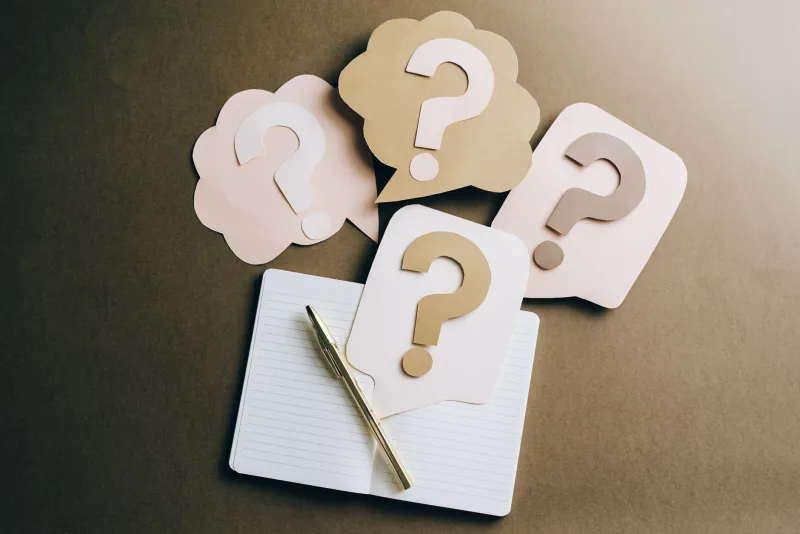
I've been obsessing over this for years. Not in a tortured-artist way — more like the way you can't stop picking at a loose thread on your hoodie. You know the one. What if.
Two words. No question mark needed half the time, because the question mark is already baked into the electricity of it. What if is the spark before the fire, the pin before the grenade. And I'm convinced — genuinely, embarrassingly convinced — that every story worth losing sleep over starts right there.
Not with a character. Not with a setting. Not even with a theme, as much as MFA programs might want to argue that point. It starts with a single, slightly dangerous question.
How Hitchcock Made a Career Out of Two Words
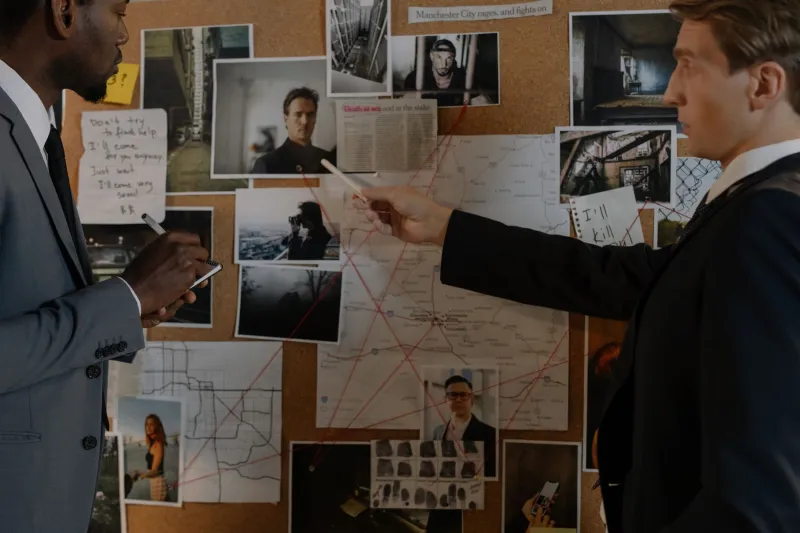
Alfred Hitchcock didn't sit down and say, "I want to explore themes of voyeurism and urban isolation." He asked: What if a man stuck in his apartment became convinced his neighbor committed murder — but couldn't prove it without exposing himself? That's Rear Window. The theme came later. The question came first.
Same with Vertigo. What if a detective with a crippling fear of heights was hired to follow a woman — and fell in love with her — only to watch her die because of his own limitation? That's not just a premise. That's a trap. A beautiful, cruel trap that the audience walks into voluntarily.
Hitchcock understood something that a lot of writers intellectualize but never really feel in their bones: the what if isn't decoration. It's load-bearing. The entire structure hangs off it.
Stephen King's Obsessive Engine
Stephen King has talked openly about this in On Writing and in dozens of interviews. He's described his process as essentially stumbling onto a situation — a what if — and then just... following it. Not controlling it. Following it.
What if a writer got stranded with his number-one fan, and she wasn't exactly stable? (Misery.) What if a hotel had a kind of psychic residue that could corrupt a vulnerable man? (The Shining.) What if a girl with telekinetic powers finally snapped at the worst possible moment? (Carrie.)
Notice something? None of those questions are safe. They all carry a little menace in them. They all suggest that things are going to go very, very sideways. That's not an accident. A strong what if has stakes baked right into the grammar of it.
Why Most 'What Ifs' Die on the Vine
Here's where I'll get a little personal, because I've killed plenty of my own what ifs before they ever had a chance.
The problem is usually one of two things: the question is either too small or too vague.
Too small looks like: What if a woman moves to a new city and tries to start over? Okay. And? Where's the pressure? Where's the thing that makes it impossible to look away?
Too vague looks like: What if society collapsed and people had to survive? Cool. That's also the premise of about four hundred novels and a dozen prestige TV shows. What's your specific version of that? What's the detail that makes it yours?
The sweet spot — and this took me an embarrassingly long time to find — is a what if that is both specific and irreversible. Once you ask it, you can't un-ask it. The situation it describes can't be easily solved or walked away from. It demands a story.
A Framework for Stress-Testing Your Question
Before I write a single scene now, I run my what if through a quick gut-check. Call it the Four-Point Test:
1. Can I say it in one sentence? If I need a paragraph to explain my premise, I don't have a premise yet. I have a mood board. One sentence, present tense, specific details. That's the goal.
2. Does it create an impossible situation? The best what ifs put characters in positions where every available choice costs them something. There's no clean exit. If your protagonist can easily solve the problem your what if creates, you need a harder question.
3. Does it scare me a little? This sounds abstract, but I mean it practically. If I'm not slightly nervous about whether I can pull it off — whether the idea is too weird, too dark, too ambitious — it's probably not alive enough yet. Comfort is the enemy of a good premise.
4. Does it suggest a character? The best what ifs don't just describe a situation. They imply the kind of person who would be most destroyed — or most transformed — by that situation. If your question immediately makes you think, oh, this has to happen to someone who... — you're on the right track.
The Question Underneath the Question
Here's the thing that took me the longest to understand. The what if you write down isn't always the real what if driving the story.
On the surface, The Truman Show asks: What if a man's entire life was a TV show without his knowledge? But the real question underneath that — the one that gives the movie its emotional weight — is: What if the world you trusted completely was built to contain you?
That second question is the one that hits people in the chest. The first one is the premise. The second one is the soul.
I try to find both now. The surface what if gets people in the door. The deeper what if is why they stay — and why they talk about it afterward in the car on the way home.
Before You Write the First Scene
So here's where I land on this, after years of circling it:
Don't start with your outline. Don't start with your character bible. Start with a question you can't stop thinking about. Write it down. Make it specific. Make it irreversible. Make it slightly terrifying.
Then ask yourself: what's the real question underneath that one?
When you've got both, and when both of them make your stomach do something — that's when you open a new document and start writing.
Everything else — the plot, the structure, the theme — is just the story's way of answering the question you were brave enough to ask first.